

Speaking of carbon fiber wheels, it's actually nothing new. Honda used carbon fiber wheels as early as the 1984 Grand Prix, but it was only in the last decade that carbon fiber wheels really started to impact the automotive industry, and it's almost entirely thanks to one Australian company.
Carbon fiber wheels have clear potential benefits. Carbon fiber is both light and very strong. Any automotive engineer will strive to reduce the weight of a vehicle, but some lightweighting measures are more impactful than others.
Car wheels are unsprung rotating objects. Reducing unsprung mass means the suspension has less work to do, improving ride quality. The reduction in rotating mass also reduces inertia, resulting in small improvements in acceleration, cornering and braking. It is easiest to save weight by using the wheels compared to all the unsprung and rotating mass of the car.
This is also why cars use aluminum alloy wheels, although they are more expensive than steel wheels, the light weight they achieve is usually worth the extra cost. While carbon fiber wheels are currently far more expensive than aluminum wheels, they are expected to expand the advantages of lighter weight wheels.
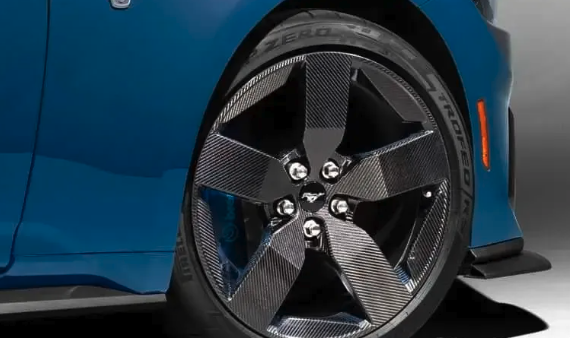
To an outsider, carbon fiber may seem like an odd material for wheels. Obviously, it's very light and strong, which is why it's used in racing chassis, but when carbon fiber fails, it can break. A broken wheel is a terrible thing; wheels made of steel and aluminum tend to deform rather than break. One of the constraints in aluminum wheel manufacturing is that you have to be able to pour the liquid molten aluminum into the mold before it solidifies and fills the entire cavity. So there can be no thin slices. The company is also currently looking for a new lightweight and more efficient electric vehicle manufacturer.